
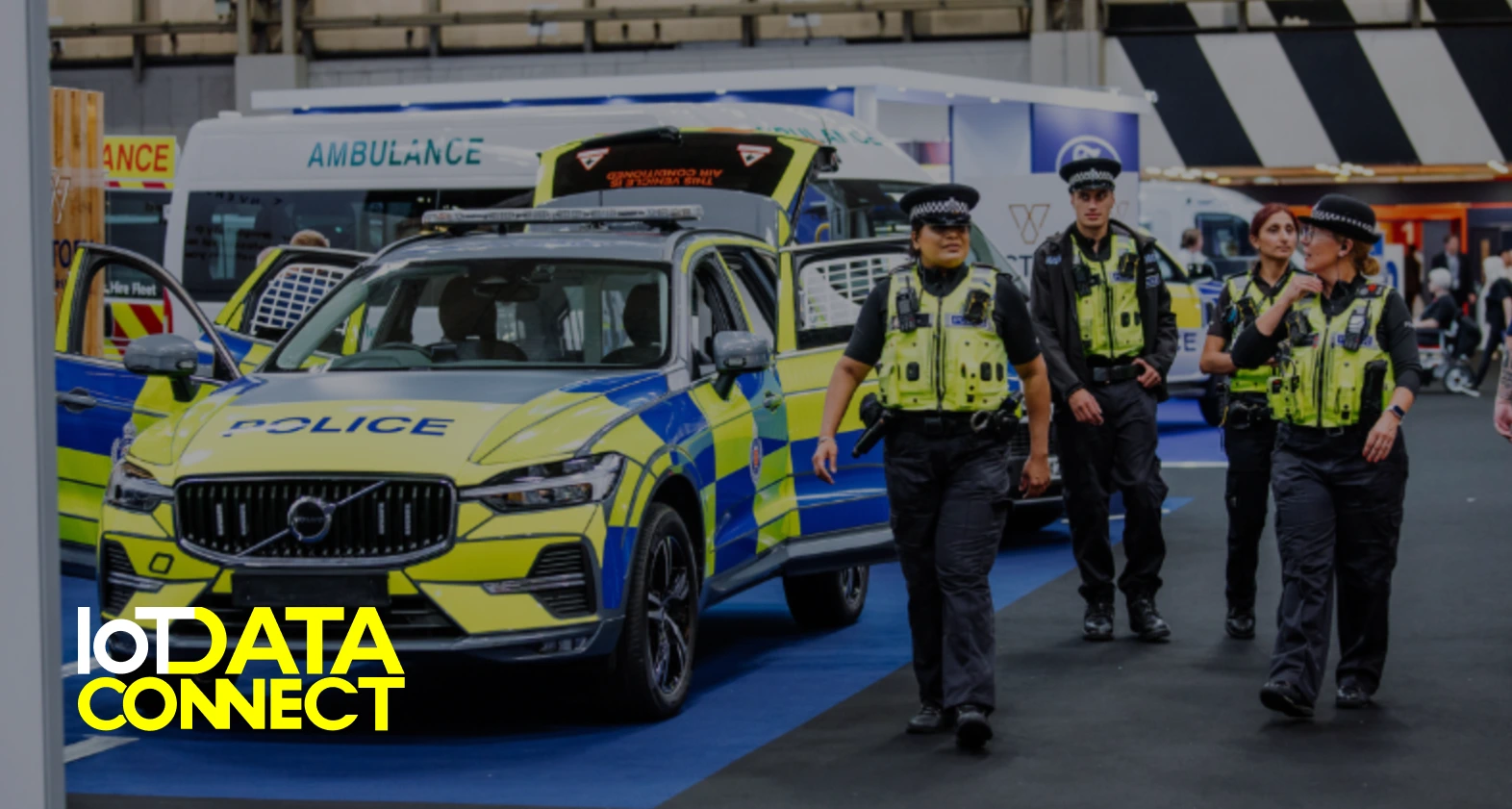
Exploring the Future of Emergency Technology at the NEC
The Emergency Tech Show 2026 will bring together emergency service leaders, technology providers, digital specialists and operational decision-makers to explore how technology can improve public safety and frontline response.
The event takes place on 16 and 17 September 2026 in Hall 5 at the NEC Birmingham. It will be open from 09:00 to 17:30 on Wednesday and 09:00 to 16:00 on Thursday.
Designed for professionals working across police, fire and rescue, ambulance services, local authorities and resilience teams, the show will focus on technology that can address real operational requirements.
Key areas include communications, data, cybersecurity, mobility, command and control, digital evidence and interoperability.
The Emergency Tech Show is also co-located with The Emergency Services Show, giving visitors access to a wider range of equipment, demonstrations, technology and industry expertise.
As emergency response becomes increasingly digital, the devices used by frontline teams need secure and reliable connectivity.
Emergency Services Are Becoming More Connected
Emergency service organisations increasingly rely on connected equipment to gather information, communicate with control centres and manage resources in real time.
Connected devices can include:
- GPS trackers and vehicle telematics
- Body-worn and vehicle-mounted cameras
- Mobile data terminals
- Environmental monitoring sensors
- Lone-worker safety devices
- Rugged tablets and laptops
- Remote medical equipment
- Drones and robotic systems
- Temporary CCTV installations
- Mobile command equipment
Each device has different connectivity requirements.
A GPS tracker may only need to send small location updates, while a camera or mobile command unit may require significantly more data. Connectivity therefore needs to be selected around the equipment, operating environment, expected data usage and required level of security.
Reliable Connectivity for Frontline Technology
Emergency service equipment can be used across city centres, rural communities, motorways, temporary incident locations and major public events.
Mobile coverage may vary significantly between these environments. A network that performs well at a headquarters or station may provide weaker coverage when a vehicle or response team moves into another area.
IoT Data Connect provides multi-network IoT SIM connectivity, allowing compatible equipment to access multiple mobile networks instead of depending entirely on one operator.
Multi-network connectivity can support applications such as:
- Emergency response vehicles
- Mobile command centres
- GPS and asset trackers
- Temporary surveillance systems
- Remote monitoring sensors
- Portable communications equipment
- Public safety infrastructure
- Equipment operating across multiple regions
For mission-critical applications, connectivity should form part of a wider communications strategy that includes appropriate security, redundancy and operational procedures.
Connected Emergency Vehicles
Police vehicles, ambulances, fire appliances and specialist response vehicles increasingly operate as mobile workspaces.
A suitable 4G or 5G router can provide connectivity for authorised equipment such as laptops, tablets, tracking devices, cameras and telematics systems.
Connected vehicle technology can help organisations monitor:
- Vehicle location
- Journey and route information
- Mileage and engine data
- Equipment status
- Maintenance requirements
- Arrival and departure times
- Mobile connectivity performance
- Vehicle availability
GPS and telematics information can give control teams greater visibility over vehicles and resources.
IoT Data Connect can provide managed IoT connectivity for vehicle routers, trackers and connected equipment, helping organisations maintain control over SIM activity and data usage.
GPS and Asset Tracking
Emergency services manage large numbers of vehicles, tools and specialist assets.
Connected GPS trackers can help monitor the location and movement of vehicles, trailers, generators, medical equipment and other valuable resources.
Depending on the tracking platform, devices may report:
- Current location
- Journey history
- Speed and movement
- Geofence activity
- Battery condition
- Unexpected movement
- Device tampering
- Equipment usage
The GPS component identifies the location of the device, while the IoT SIM enables it to transmit that information to an authorised platform.
This can help teams identify where equipment is located, whether it is currently in use and whether it has moved outside an approved area.
Cameras and Digital Evidence
Connected cameras can provide valuable visual information to authorised personnel.
Applications may include body-worn video, vehicle-mounted cameras, temporary CCTV, thermal imaging equipment and remote surveillance systems.
Camera connectivity requirements can vary considerably. A device transmitting occasional images or event alerts may require relatively little data, while a system streaming high-resolution video will need a much larger allowance.
When selecting connectivity for camera equipment, organisations should consider:
- Number of connected cameras
- Required video quality
- Frequency and length of transmissions
- Whether live streaming is required
- Cloud and storage integration
- Remote access requirements
- Expected monthly data use
- Security and access controls
Fixed public or private IP connectivity may also be required where authorised teams need remote access to cameras, routers or recording equipment.
Temporary Incident Connectivity
Major incidents, public events and temporary response locations may require connectivity before fixed communications infrastructure is available.
A suitable 4G or 5G router can create a temporary network for approved devices, helping teams access operational platforms and cloud-based services from the incident location.
Mobile connectivity may support:
- Temporary command centres
- Emergency planning exercises
- Public events
- Recovery centres
- Remote response locations
- Mobile offices
- Temporary healthcare facilities
- Sites awaiting fixed-line installation
Cellular connectivity can also provide failover for fixed broadband. With compatible equipment, the router can switch to a mobile connection if the primary service becomes unavailable.
This can help maintain access to approved systems during a local broadband outage or fixed-line failure.
Environmental and Remote Monitoring
Connected sensors can provide information from locations where it may be difficult, dangerous or inefficient to keep staff permanently present.
Potential emergency and resilience applications include:
- Flood and water-level monitoring
- Air-quality monitoring
- Temperature and humidity sensors
- Smoke and fire detection
- Structural condition monitoring
- Remote weather stations
- Generator and power monitoring
- Equipment storage monitoring
- Building alarms
- Remote health-monitoring equipment
Sensors can send information at scheduled intervals or generate an alert when a defined threshold is reached.
Many sensor applications transmit relatively small amounts of data. This can make low-data IoT plans suitable for devices that need to operate remotely over long periods.
Secure Communication and Remote Access
Emergency service devices may transmit sensitive information relating to incidents, vehicles, locations, equipment and operational activity.
Connectivity should therefore be configured to limit unauthorised access and control how devices communicate with external platforms.
Depending on the project, IoT Data Connect can provide:
- Private APN connectivity
- Fixed public or private IP addresses
- IPsec VPN integration
- Restricted internet access
- IP whitelisting
- SIM-to-SIM communication
- Data usage limits and alerts
- Access to approved endpoints only
A private APN can create a separate mobile data environment for a group of connected SIMs. VPN integration can then provide a protected connection between remote equipment and the organisation’s approved infrastructure.
The final configuration should be developed in line with the organisation’s security, data protection and operational policies.
Centralised IoT Connectivity Management
Managing connected equipment across several departments, vehicles and locations requires clear visibility.
Through a central connectivity management platform, organisations can monitor and control their IoT SIM estate without accessing every device individually.
Depending on the selected service, users can:
- Activate or suspend SIMs
- Monitor data consumption
- Create usage limits and alerts
- Review connection activity
- Organise SIMs by team, vehicle or location
- Identify unusual data usage
- Investigate inactive devices
- Manage shared data allowances
- Apply SIM-level controls
- Export usage reports
Centralised management can help technical teams identify connectivity issues remotely and maintain control as the number of connected devices increases.
Supporting the Future of Emergency Technology
The Emergency Tech Show 2026 will provide an opportunity to explore how digital systems, communications, vehicles, AI and connected equipment are changing frontline operations.
As emergency response becomes more connected, the infrastructure supporting vehicles, cameras, sensors, routers and tracking equipment must be secure, scalable and suitable for real operational environments.
IoT Data Connect provides managed IoT connectivity for mobile and remote equipment, including multi-network IoT SIMs, secure networking options, fixed IP services and connectivity management.
Whether an organisation needs to connect one specialist device or manage a larger deployment across multiple locations, the correct IoT solution can help keep equipment connected, visible and under control.
Contact IoT Data Connect to discuss secure connectivity for emergency technology, mobile response equipment and remote monitoring applications.