
Category: IoT Security

  • Smart Kiosks and IoT: Reliable Connectivity for Connected Self-Service Kiosks

    Smart Kiosks and IoT: Reliable Connectivity for Connected Self-Service Kiosks

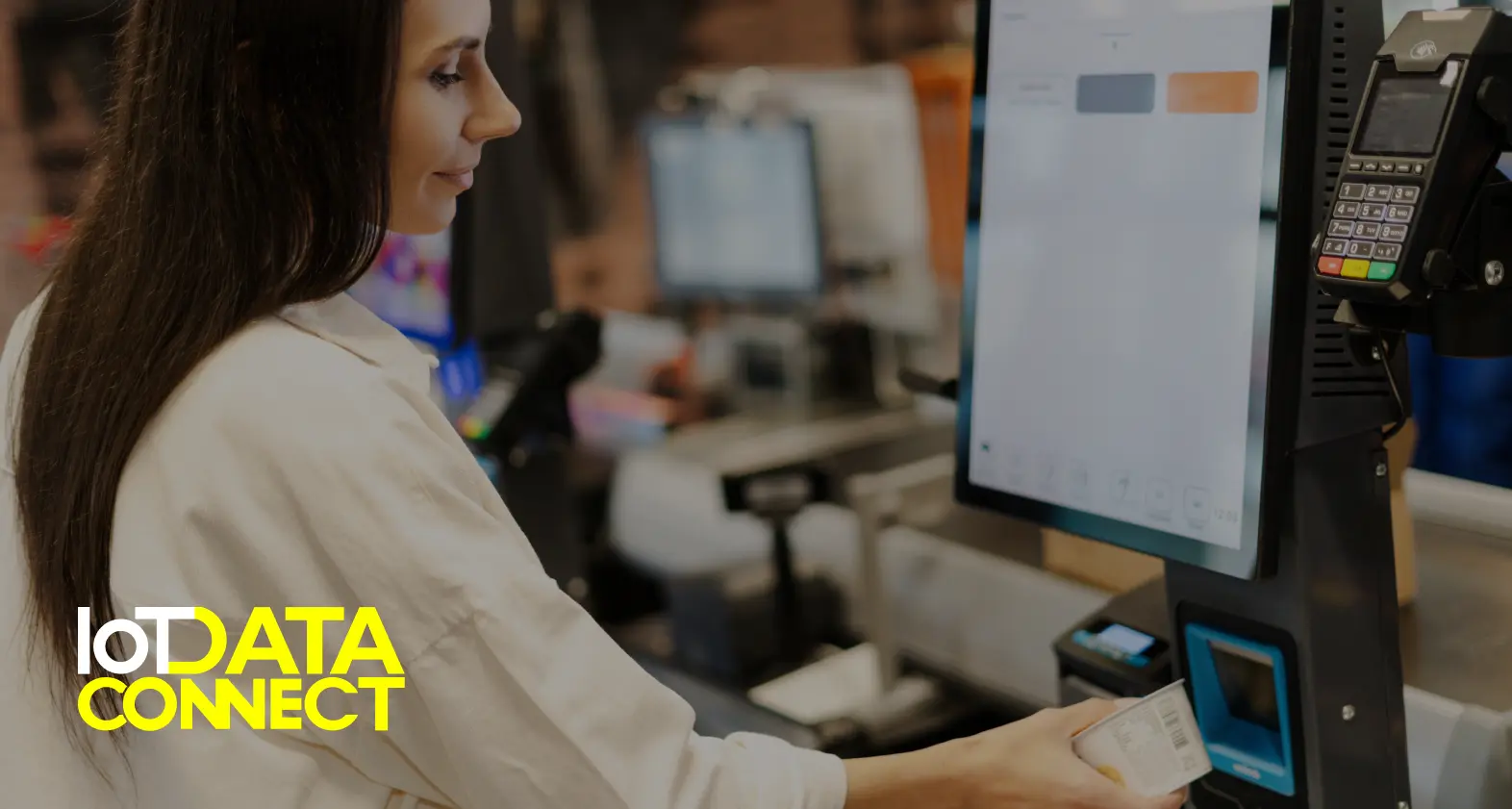
    Smart kiosks are changing the way businesses deliver services, process payments and communicate with customers.

    From self-service checkouts and ticket machines to information points and digital ordering systems, connected kiosks can reduce waiting times, improve accessibility and provide services beyond traditional opening hours.

    However, every smart kiosk depends on reliable connectivity.

    If a kiosk loses its connection, it may be unable to process a payment, confirm a booking, display live information or communicate with its central management platform.

    IoT Data Connect provides secure, managed IoT connectivity designed to keep smart kiosks connected across a wide range of locations.

    The Smart Kiosk Connectivity Challenge

    Smart kiosks are often installed in busy public or commercial environments, including:

    • Retail stores and shopping centres
    • Airports and railway stations
    • Hotels and hospitality venues
    • Hospitals and healthcare facilities
    • Car parks and transport hubs
    • Restaurants and fast-food outlets
    • Government buildings and public spaces
    • Universities and education campuses
    • Leisure centres and entertainment venues
    • Outdoor and temporary locations

    Many of these sites may not have a suitable fixed broadband connection available.

    In other situations, connecting a kiosk to a customer’s internal network may create security concerns or require additional technical work.

    Public Wi-Fi is rarely appropriate for business-critical equipment because it may be unstable, unsecured or difficult to manage.

    A single-network mobile connection can also become unreliable when the kiosk is installed in an area with weak coverage from that specific operator.

    For businesses managing multiple kiosks, the challenge becomes even greater. They need to monitor connectivity, control data usage, identify offline devices and manage every connection from one central location.

    The Solution: Managed IoT Connectivity from IoT Data Connect

    IoT Data Connect provides IoT SIM solutions that allow smart kiosks to communicate securely with cloud platforms, payment systems, booking software and remote management tools.

    An IoT SIM can be installed directly into the kiosk or placed inside a compatible industrial 4G or 5G router.

    This creates a dedicated mobile connection without relying on local Wi-Fi or fixed broadband.

    Our multi-network IoT SIMs can connect to multiple mobile networks, helping kiosks maintain a more resilient connection across different locations.

    This makes mobile IoT connectivity suitable for both permanent installations and temporary deployments where fixed internet access may be unavailable or impractical.

    How Smart Kiosk Connectivity Works

    Once connected, a smart kiosk can securely exchange information with the organisation’s central platform.

    Depending on the application, this can allow the kiosk to:

    • Process card and contactless payments
    • Confirm bookings, orders or appointments
    • Display live prices, availability or travel information
    • Print tickets, receipts or collection labels
    • Upload transaction and usage data
    • Receive software and content updates
    • Monitor stock levels and consumables
    • Send fault and maintenance alerts
    • Communicate with customer relationship management systems
    • Support remote troubleshooting and device management

    The kiosk can be monitored and updated remotely without requiring an employee or engineer to visit the site for every change.

    Multi-Network Connectivity

    Smart kiosks may be deployed across towns, cities, rural areas and large indoor environments.

    Mobile network performance can vary significantly depending on the location, building structure and local coverage.

    A SIM restricted to one mobile network may perform well at one site but struggle at another.

    IoT Data Connect multi-network IoT SIMs provide access to multiple available networks, reducing reliance on a single operator.

    This gives businesses greater flexibility when installing kiosks across a wide geographical area.

    Multi-network connectivity is particularly valuable for kiosks located in transport environments, outdoor areas, temporary venues and remote sites where maintaining a reliable connection is essential.

    Secure Data Transmission

    Smart kiosks can handle sensitive information, including customer details, payment activity and booking data.

    Secure connectivity is therefore an important part of every deployment.

    IoT Data Connect can provide connectivity options such as:

    • Private APNs
    • VPNs
    • Controlled network access

    These solutions help protect communication between the kiosk and the organisation’s central systems.

    Businesses can also apply restrictions to connected devices so they can only communicate with authorised platforms and services.

    This helps reduce the risk of unauthorised access, misuse or unexpected data consumption.

    Mobile connectivity can also separate the kiosk from a venue’s main business network, providing a dedicated connection for the device.

    Centralised SIM Management

    Managing connectivity across multiple kiosk locations can become difficult without a central management platform.

    IoT Data Connect allows organisations to monitor and control their IoT SIMs from one place.

    This can include:

    • Activating and suspending SIMs
    • Monitoring data consumption
    • Setting data limits and usage alerts
    • Reviewing connection activity
    • Identifying unusual behaviour
    • Checking whether devices are online
    • Managing shared data allowances
    • Producing usage and operational reports
    • Controlling large numbers of connections

    This visibility can help technical teams identify issues before they affect customers or interrupt kiosk services.

    Smart Kiosk Applications

    Self-Service Retail Kiosks

    Retailers can use connected kiosks for product searches, customer check-in, stock enquiries, loyalty schemes and self-service checkout.

    Reliable connectivity allows each kiosk to communicate with payment systems, stock platforms and customer databases.

    Food Ordering Kiosks

    Restaurants and hospitality businesses can allow customers to browse menus, customise orders and make payments without waiting at a staffed counter.

    Orders can be sent directly to kitchen or point-of-sale systems.

    Ticketing and Transport Kiosks

    Connected kiosks can sell tickets, provide live travel updates, display route information and support passenger check-in at airports, railway stations and bus terminals.

    Healthcare Check-In Kiosks

    Hospitals, clinics and GP practices can use smart kiosks to manage patient check-in, appointment confirmation and wayfinding.

    A secure connection helps ensure information is transmitted to the correct healthcare system.

    Hotel Self-Service Kiosks

    Hotels can offer automated check-in and check-out, room key collection, booking management and additional service purchases.

    This can reduce queues and provide support outside reception hours.

    Parking and Payment Kiosks

    Connected parking kiosks can process payments, check vehicle registration details, issue tickets and communicate with central parking management systems.

    Information and Wayfinding Kiosks

    Public venues, shopping centres and corporate buildings can use connected kiosks to provide interactive maps, visitor information, directories and live announcements.

    Key Benefits of IoT Connectivity for Smart Kiosks

    Faster Deployment

    Mobile connectivity removes the need to wait for a fixed broadband installation.

    Kiosks can be installed and connected more quickly, even in temporary or remote locations.

    Reduced Reliance on Local Networks

    A dedicated mobile connection means the kiosk does not need to rely on public Wi-Fi or gain access to the venue’s internal network.

    Improved Customer Experience

    Reliable connectivity helps kiosks respond quickly, display accurate information and complete transactions without unnecessary interruptions.

    Remote Monitoring and Support

    Technical teams can monitor kiosk connectivity and receive alerts without being physically present at each location.

    Reduced Engineer Visits

    Many faults can be identified or resolved remotely, helping reduce maintenance costs and unnecessary site visits.

    Scalable Connectivity

    IoT Data Connect connectivity can support growing kiosk deployments as organisations add more connected devices and locations.

  • ATM Machines and IoT: Secure and Reliable Connectivity for Connected ATMs

    ATM Machines and IoT: Secure and Reliable Connectivity for Connected ATMs

    ATMs provide customers with convenient access to cash and banking services across bank branches, retail locations, petrol stations, transport hubs and other public spaces.

    Modern ATMs are no longer standalone machines. They rely on a secure data connection to communicate with banking networks, authorise transactions, report operational information and alert operators when maintenance or cash replenishment is required.

    When that connection is interrupted, the ATM may be unable to complete transactions or provide services to customers. Even a short period of downtime can lead to lost transaction revenue, customer frustration and unnecessary engineer visits.

    IoT Data Connect provides secure, managed IoT connectivity designed to keep ATM machines connected, monitored and operational across a wide range of locations.

    The ATM Connectivity Challenge

    ATMs can be installed in many different environments, including:

    • Bank branches
    • Supermarkets and convenience stores
    • Petrol stations and service areas
    • Shopping centres
    • Hotels and hospitality venues
    • Railway stations and transport hubs
    • Universities and business campuses
    • Rural communities
    • Entertainment and leisure venues
    • Independent retail locations

    Not every site has access to a reliable fixed broadband connection. Installing a dedicated fixed line can also be expensive, time-consuming or impractical, particularly when ATMs are being deployed across multiple third-party locations.

    Connecting an ATM to a retailer’s existing Wi-Fi or internal network may introduce additional security and management concerns. The performance of the connection may also be outside the ATM operator’s control.

    For ATM operators managing hundreds or thousands of machines, connectivity must be secure, scalable and easy to monitor from one central platform.

    The Solution: Managed IoT Connectivity from IoT Data Connect

    IoT Data Connect provides IoT SIM solutions that allow ATMs to communicate securely with banking platforms, transaction processors and remote management systems.

    An IoT SIM can be installed directly into a compatible ATM communications module or used within an industrial 4G or 5G router connected to the machine.

    This creates a dedicated mobile connection that does not rely on the venue’s public Wi-Fi or fixed broadband service.

    Mobile IoT connectivity can be used as:

    • The ATM’s primary connection
    • A backup connection for an existing fixed line
    • A temporary connection during installation
    • A replacement for unavailable or unreliable broadband
    • A failover solution if the primary network goes offline

    This flexibility can help ATM operators deploy machines more quickly while improving overall network resilience.

    How Connected ATM Technology Works

    When a customer uses an ATM, the machine needs to communicate with the relevant banking and payment systems to complete the transaction.

    Depending on the ATM and its configuration, the connection may support:

    • Transaction authorisation
    • Cash withdrawals and balance enquiries
    • Deposit and cash-recycling services
    • Receipt and transaction reporting
    • Remote software updates
    • Security and tamper alerts
    • Device health monitoring
    • Cash-level reporting
    • Paper and consumable monitoring
    • Fault notifications
    • Remote diagnostics
    • Centralised ATM management

    A reliable connection allows information to be transmitted between the ATM and its central platform without requiring staff to be physically present at the machine.

    Primary and Failover Connectivity

    ATM availability is important to both customers and operators. If the primary connection fails, the machine may be unable to complete transactions until connectivity is restored.

    A mobile IoT connection can provide an independent failover option.

    For example, an ATM may use a fixed broadband connection during normal operation. If that connection becomes unavailable, a compatible router can automatically switch to the mobile connection.

    Once the primary service returns, the ATM can switch back according to the router’s configuration.

    Using mobile connectivity as a backup can help reduce downtime caused by:

    • Fixed-line outages
    • Damaged cables
    • Local broadband failures
    • Router or network equipment problems
    • Third-party network maintenance
    • Temporary installation issues

    This is particularly valuable for ATMs located in busy or high-demand areas where extended downtime could affect a large number of customers.

    Multi-Network IoT SIM Connectivity

    Mobile network performance can vary between locations. One network may provide strong coverage at a city-centre retail site but offer limited service at a rural petrol station or inside a large building.

    A single-network SIM can leave the ATM dependent on one operator’s coverage.

    IoT Data Connect multi-network IoT SIMs can provide access to multiple mobile networks, giving connected equipment more network options across different locations.

    This can simplify large-scale deployments because ATM operators do not need to source a different SIM for every coverage area.

    Multi-network connectivity can be particularly useful for:

    • Nationwide ATM estates
    • Rural and remote deployments
    • ATMs installed inside large buildings
    • Retail and petrol-station locations
    • Mobile or relocatable ATM units
    • Sites where the best network cannot be confirmed in advance

    The appropriate network configuration will depend on the equipment, coverage requirements and security needs of the deployment.

    Secure ATM Communications

    ATMs handle financial transactions and sensitive operational information, making security a critical part of the connectivity solution.

    IoT Data Connect can provide secure connectivity options such as:

    • Private APNs
    • Site-to-site or device-to-site VPNs
    • Private and fixed IP addressing
    • IP address whitelisting
    • Restricted network access
    • Usage monitoring and automated alerts
    • Secure communication with approved endpoints
    • Separation from the host venue’s local network

    These solutions can help create a private communication path between the ATM and authorised systems.

    Businesses can also restrict the destinations and services that connected devices are permitted to access. This can help prevent unauthorised internet use and reduce the risk of the SIM being used for an unintended purpose.

    The complete ATM solution must be configured in line with the operator’s banking, payment and information-security requirements.

    Remote Monitoring and Diagnostics

    An ATM can experience a range of operational issues beyond a complete connectivity failure.

    Cash levels may be running low, receipt paper may need replacing or a component may require maintenance. Without remote monitoring, these problems may only be discovered when a customer reports that the ATM is unavailable.

    A connected ATM can send operational data and alerts to a central management platform.

    This may allow operators to monitor:

    • Whether the ATM is online
    • Current connection status
    • Cash availability
    • Transaction activity
    • Printer and paper status
    • Device errors
    • Door or cabinet alerts
    • Temperature or environmental conditions
    • Software status
    • Data consumption
    • Router and communications equipment

    Access to this information can help operators prioritise maintenance and respond to issues before they result in extended downtime.

    Improving Cash Replenishment

    Cash replenishment is one of the most important operational requirements for an ATM estate.

    Without accurate information, cash-in-transit teams may visit machines too early, too late or more frequently than necessary.

    Unnecessary visits can increase operating costs, while an empty ATM can lead to missed transactions and dissatisfied customers.

    Connected ATM systems can report current cash levels and usage patterns to a central platform.

    This information can help operators:

    • Identify machines approaching low cash levels
    • Prioritise high-demand locations
    • Plan more efficient replenishment routes
    • Reduce unnecessary site visits
    • Monitor unusual withdrawal activity
    • Improve cash forecasting
    • Reduce the time an ATM remains out of service

    The result is a more informed and efficient approach to managing ATM availability.

    Centralised IoT SIM Management

    Managing a large number of ATM connections requires more than simply supplying SIM cards.

    IoT Data Connect provides access to a central connectivity management platform, allowing operators to monitor and control their IoT SIM estate.

    Depending on the selected service, organisations can:

    • Activate and suspend SIMs
    • Monitor individual data usage
    • Create usage limits and alerts
    • Review connection history
    • Identify unexpected data consumption
    • Manage shared data allowances
    • Organise SIMs by location or customer
    • Export usage reports
    • Monitor large numbers of connections
    • Investigate connectivity issues remotely

    This centralised visibility can help ATM operators maintain control as their estate grows.

    Faster ATM Deployment

    Installing a fixed broadband connection can involve surveys, engineering appointments and delays.

    Mobile IoT connectivity can provide a faster route to getting an ATM online.

    Once the machine, router and SIM have been configured, the ATM can connect through the available mobile network without waiting for a new fixed line to be installed.

    This can be beneficial when:

    • Opening a new retail location
    • Replacing an existing ATM
    • Moving a machine to another site
    • Testing a potential ATM location
    • Waiting for fixed broadband installation
    • Deploying machines across third-party premises
    • Restoring service after a fixed-line fault

    A mobile connection can also reduce reliance on the site owner’s IT infrastructure, helping simplify the installation process.

    ATM Connectivity Applications

    Bank Branch ATMs

    Banks can use mobile connectivity as a backup for branch-based ATMs, helping maintain access to services if the primary fixed connection fails.

    Retail ATMs

    Independent ATM operators can connect machines located in supermarkets, convenience stores and shopping centres without relying on the retailer’s local network.

    Petrol Station ATMs

    Petrol stations and service areas are often located away from town centres. Multi-network mobile connectivity can provide greater flexibility when coverage differs between locations.

    Rural Cash Machines

    Mobile IoT connectivity can support ATMs in communities where fixed broadband options are limited or expensive to install.

    Transport and Travel Locations

    ATMs at railway stations, coach terminals and other transport environments require reliable connectivity to serve large numbers of travellers.

    Temporary or Relocatable ATMs

    Some ATMs may be installed for seasonal demand, temporary venues or specific events. Mobile connectivity allows the machine to be moved without transferring a fixed-line service.

    White-Label ATM Networks

    Independent and white-label ATM operators can manage connectivity across machines installed at multiple customer locations through one central IoT platform.

    Key Benefits of IoT Connectivity for ATMs

    Greater Availability

    Primary and failover mobile connectivity can help reduce downtime and keep ATM services available to customers.

    Secure Network Access

    Private APNs, VPNs and access restrictions can help protect communications between ATMs and authorised platforms.

    Faster Installation

    Mobile connectivity removes the need to wait for a new fixed broadband line at every ATM location.

    Reduced Reliance on Host Sites

    The ATM can use its own dedicated connection rather than depending on the retailer’s Wi-Fi or internal business network.

    Remote Management

    Operators can monitor connections, data usage and device status without visiting each location.

    More Efficient Maintenance

    Remote alerts and diagnostics can help technical teams identify the cause of an issue before dispatching an engineer.

    Scalable Deployment

    New ATM connections can be added as the operator expands into additional locations.

    Improved Coverage Options

    Multi-network IoT SIMs can provide access to multiple networks rather than relying on one mobile operator across every site.

    Choosing the Right ATM Connectivity Solution

    Every ATM deployment has different operational, technical and security requirements.

    Before selecting a connectivity solution, operators should consider:

    • Whether the connection will be primary or backup
    • The number and location of ATMs
    • Mobile coverage at each installation site
    • The router or communications hardware being used
    • The required security configuration
    • Expected monthly data consumption
    • Whether fixed or private IP addressing is required
    • How failover will be managed
    • The level of remote monitoring required
    • The organisation’s banking and payment-security policies

    IoT Data Connect can work with ATM operators, technology providers and systems integrators to assess these requirements and provide an appropriate managed connectivity solution.

    Keep Your ATM Network Connected

    An ATM can only provide reliable access to banking and cash services when it remains securely connected to the systems behind it.

    IoT Data Connect provides secure, scalable and managed IoT connectivity for banks, independent ATM deployers, retailers and organisations operating machines across multiple locations.

    Whether mobile connectivity is being used as the primary service, an emergency backup or part of a nationwide ATM deployment, our IoT SIM solutions can help keep machines online, monitored and under control.

    Contact IoT Data Connect to discuss the connectivity requirements for your ATM deployment.

  • GPS Tracking and IoT: Reliable Connectivity for Real-Time Asset Tracking

    GPS Tracking and IoT: Reliable Connectivity for Real-Time Asset Tracking

    GPS tracking technology allows businesses to monitor the location, movement and condition of vehicles, equipment and valuable assets from almost anywhere.

    From delivery vans and construction machinery to trailers, shipping containers and lone-worker devices, connected tracking systems provide organisations with greater visibility over their operations. This information can help improve security, reduce costs, plan more efficient routes and respond quickly when something goes wrong.

    However, identifying a device’s location is only one part of the process.

    A GPS tracker uses satellite positioning technology to calculate its location, but it still needs a reliable data connection to transmit that information to the organisation’s tracking platform.

    IoT Data Connect provides secure, managed IoT SIM connectivity designed to keep GPS tracking devices connected across towns, cities, rural locations and international deployments.

    The GPS Tracking Connectivity Challenge

    Tracking devices are frequently installed on assets that move between different coverage areas. A vehicle may begin its journey in a city centre, travel through rural areas and finish at a depot in another region.

    Network performance can change throughout that journey.

    A tracker using a SIM restricted to one mobile network may lose connectivity when that operator’s signal becomes weak or unavailable. The device may continue recording location information, but the business will not receive the data until a connection is restored.

    This can create gaps in tracking information and make it more difficult to:

    • Monitor vehicle movements in real time
    • Respond to theft or unauthorised use
    • Confirm delivery and arrival times
    • Protect remote equipment
    • Support lone workers
    • Investigate route deviations
    • Manage geographically dispersed assets
    • Receive urgent alerts

    Businesses managing hundreds or thousands of tracking devices also require a simple way to monitor data usage, activate SIMs and identify connectivity issues across their entire deployment.

    The Solution: Managed IoT Connectivity from IoT Data Connect

    IoT Data Connect provides IoT SIM solutions for GPS trackers, telematics devices, vehicle terminals and connected asset-monitoring equipment.

    An IoT SIM is installed inside the tracking device, allowing it to transmit location and operational information through the mobile network to a central cloud platform.

    Depending on the solution, the connected tracker can report:

    • Current location
    • Vehicle or asset speed
    • Direction of travel
    • Route history
    • Ignition status
    • Mileage and journey duration
    • Geofence activity
    • Battery condition
    • Device tampering
    • Unexpected movement
    • Driver behaviour
    • Equipment usage
    • Environmental sensor readings

    Users can then view this information through a tracking dashboard, mobile application or fleet-management platform.

    How Connected GPS Tracking Works

    A connected GPS tracker typically combines satellite positioning with mobile IoT connectivity.

    The satellite navigation component determines the location of the device. The IoT SIM then enables the tracker to send that location data to an authorised server or cloud platform.

    The tracking platform converts the information into useful insights, such as live map positions, journey histories, alerts and operational reports.

    Depending on how the device has been configured, information may be transmitted:

    • At regular time intervals
    • When the asset begins moving
    • When the ignition is turned on or off
    • When the device enters or leaves a defined area
    • When unusual movement is detected
    • When a speed limit is exceeded
    • When a sensor records a specific event
    • When an emergency button is activated

    Most tracking devices send small amounts of data frequently, making them well suited to managed IoT SIM connectivity.

    Multi-Network IoT SIMs for Moving Assets

    GPS tracking devices are often used on vehicles and equipment that travel across large geographical areas.

    No single mobile operator provides identical coverage in every location. A network that performs well in one area may provide limited connectivity in another.

    IoT Data Connect multi-network IoT SIMs can access multiple mobile networks, reducing dependence on one operator. This gives tracking devices more opportunities to remain connected as vehicles and assets move between coverage areas.

    Multi-network connectivity can be particularly valuable for:

    • Nationwide vehicle fleets
    • Rural transport operations
    • Construction equipment
    • Agricultural machinery
    • Trailers and shipping containers
    • Emergency and recovery vehicles
    • Cross-border logistics
    • Remote asset deployments
    • Plant and machinery hire businesses

    The exact network selection behaviour will depend on the SIM profile, tracker and deployment configuration.

    Vehicle and Fleet Tracking

    Fleet operators can use connected GPS trackers to monitor vehicles and improve day-to-day operations.

    Location data gives dispatchers and fleet managers greater visibility over where vehicles are, where they have travelled and when they are expected to arrive.

    This can help businesses:

    • Assign jobs to the nearest available driver
    • Provide customers with more accurate arrival times
    • Review completed routes and journeys
    • Identify unnecessary mileage
    • Monitor unauthorised vehicle use
    • Improve route planning
    • Respond more quickly to breakdowns
    • Verify working hours and site attendance
    • Reduce fuel consumption
    • Support driver safety

    Tracking information may also be combined with vehicle telematics data, including harsh braking, rapid acceleration, idling, engine status and mileage.

    Asset and Equipment Tracking

    Not every valuable asset has its own power supply or is used every day.

    Tracking devices can be fitted to trailers, generators, construction machinery, containers and other mobile equipment. Depending on the hardware, these devices may use internal batteries and transmit information less frequently to conserve power.

    Asset tracking can help organisations monitor:

    • Where equipment is located
    • Whether an asset has been moved
    • How long equipment remains at a site
    • When machinery is being used
    • Whether an asset has left an authorised area
    • Battery levels and device health
    • Maintenance and service intervals
    • Equipment availability across different locations

    This visibility can help reduce lost equipment, improve utilisation and avoid unnecessary replacement purchases.

    Theft Detection and Asset Recovery

    GPS tracking can provide an additional layer of protection for vehicles and high-value assets.

    A connected tracker can send an alert when it detects unexpected movement, tampering or a geofence breach. The operator can then review the latest location information and begin the appropriate response.

    Depending on the device and platform, theft-related alerts may include:

    • Movement outside authorised hours
    • Ignition without permission
    • Disconnection from the main power supply
    • Device tampering
    • Entry into or exit from a restricted area
    • Unexpected route changes
    • Trailer detachment
    • Sudden or unusual movement

    Reliable IoT connectivity is especially important in these situations because an alert is only useful when it can be transmitted to the monitoring platform.

    GPS tracking should form part of a wider security and recovery process rather than being treated as a complete security solution on its own.

    Geofencing and Location-Based Alerts

    A geofence is a virtual boundary placed around a real-world location.

    Businesses can create geofences around depots, customer sites, construction areas, delivery zones or restricted locations. The tracking platform can then send an alert when a connected vehicle or asset enters or leaves that area.

    Geofencing can support applications such as:

    • Confirming arrivals and departures
    • Recording time spent at customer sites
    • Monitoring access to restricted locations
    • Detecting unauthorised asset movement
    • Automating customer notifications
    • Verifying delivery activity
    • Monitoring vehicle use outside working hours
    • Supporting job and time records

    This reduces the need for employees to manually report every movement or completed visit.

    Logistics and Supply Chain Tracking

    Connected tracking devices can help logistics businesses maintain visibility over goods as they move between warehouses, ports, distribution centres and customer locations.

    Trackers may be fitted to:

    • Delivery vehicles
    • Trailers
    • Shipping containers
    • Pallets
    • Reusable transport packaging
    • High-value consignments
    • Refrigerated vehicles
    • Mobile storage units

    Location information can be combined with sensors that monitor temperature, humidity, impact, light exposure or door activity.

    This is particularly useful when transporting sensitive or high-value goods that need to remain within specific conditions.

    If a sensor detects an issue, the tracking device can transmit an alert to the management platform so the operator can respond before the shipment is compromised.

    Lone-Worker and Personal Safety Tracking

    Portable GPS devices can also support employees working alone or in remote environments.

    A connected lone-worker device may provide:

    • Periodic location updates
    • Emergency SOS alerts
    • Fall or inactivity detection
    • Check-in reminders
    • Two-way communication
    • Geofence alerts
    • Battery-status notifications

    These devices can be used by security teams, maintenance engineers, delivery workers, healthcare staff and employees visiting isolated sites.

    Reliable mobile connectivity helps ensure alerts and location updates can reach the authorised monitoring team when assistance is required.

    Secure Data Communication

    Tracking data can reveal vehicle routes, customer locations, working patterns and the position of valuable equipment. It should therefore be transmitted and managed securely.

    IoT Data Connect can provide connectivity options including:

    • Private APNs
    • VPN integration
    • Fixed or private IP addresses
    • IP whitelisting
    • Restricted internet access
    • Usage limits and alerts
    • Secure communication with approved platforms
    • Device and SIM-level monitoring

    These solutions can help protect communication between the tracking device and the organisation’s authorised platform.

    The appropriate configuration will depend on the tracking hardware, platform and security requirements of the organisation.

    Centralised IoT SIM Management

    A large tracking deployment may include SIMs installed across thousands of vehicles, assets and portable devices.

    IoT Data Connect provides access to a central connectivity management platform, helping businesses monitor and control their IoT SIM estate from one place.

    Depending on the selected service, users can:

    • Activate and suspend SIMs
    • Monitor data usage
    • Create usage limits
    • Set automated alerts
    • Review connection history
    • Organise SIMs by customer, fleet or asset
    • Identify unexpected data consumption
    • Manage shared data allowances
    • Export usage reports
    • Investigate inactive connections

    This centralised visibility helps organisations maintain control as their number of connected trackers grows.

    International GPS Tracking

    Vehicles, trailers and shipments may travel across national borders as part of normal operations.

    A tracking solution limited to domestic connectivity could become unavailable once the asset enters another country.

    Global and roaming IoT SIM options from IoT Data Connect can support trackers operating across multiple territories, subject to the selected network footprint and service agreement.

    This can provide a more consistent connectivity arrangement for businesses involved in:

    • International road transport
    • European logistics
    • Freight forwarding
    • Vehicle rental
    • Shipping and container tracking
    • High-value goods transportation
    • Cross-border plant and equipment hire

    A single managed IoT connectivity agreement can also simplify administration compared with sourcing separate local SIMs for each country.

    Key Benefits of IoT Connectivity for GPS Tracking

    Improved Asset Visibility

    Connected trackers provide businesses with access to current and historical location information through a central platform.

    Greater Network Resilience

    Multi-network IoT SIMs reduce reliance on a single mobile operator as assets move between different coverage areas.

    Faster Alerts

    Movement, tamper, sensor and geofence alerts can be transmitted directly to authorised users.

    Reduced Operational Costs

    Tracking information can support more efficient routing, reduced mileage, improved asset utilisation and fewer unnecessary site visits.

    Enhanced Security

    Location monitoring and automated alerts can support theft detection and asset-recovery processes.

    Remote Management

    Businesses can monitor and control their IoT SIM connections without physically accessing each tracking device.

    Scalable Deployments

    New connections can be added as additional vehicles, trackers and assets are introduced.

    International Coverage

    Global IoT connectivity can support tracking devices that operate across multiple countries.

    Choosing the Right GPS Tracking Connectivity Solution

    Every tracking deployment has different technical and operational requirements.

    Before selecting an IoT connectivity solution, businesses should consider:

    • The number of tracking devices
    • The countries and regions in which they will operate
    • How frequently location data will be transmitted
    • Whether the tracker will be mobile or stationary
    • The expected monthly data usage
    • Whether multi-network access is required
    • The required level of security
    • Battery and power limitations
    • Whether sensor data will also be transmitted
    • The required management and reporting features

    IoT Data Connect can work with tracking providers, telematics companies, fleet operators and systems integrators to identify an appropriate connectivity solution.

    Keep Your GPS Tracking Devices Connected

    A GPS tracker can determine its location, but it needs reliable IoT connectivity to make that information available to the people and systems that need it.

    IoT Data Connect provides secure, scalable and managed IoT SIM solutions for vehicle tracking, asset monitoring, logistics, equipment security and lone-worker applications.

    Whether you are connecting a small vehicle fleet or deploying thousands of tracking devices internationally, our IoT connectivity solutions can help keep your assets visible and your connections under control.

    Contact IoT Data Connect to discuss the connectivity requirements for your GPS tracking deployment.

  • IoT Data Connect ANPR Cameras IoT Use Case

    Reliable IoT Connectivity for ANPR Systems

    Automatic Number Plate Recognition, commonly known as ANPR, is used to identify vehicles, automate access control and monitor activity across car parks, depots, construction sites, business premises and transport locations.

    ANPR cameras capture vehicle number plates and convert them into readable data. This information can then be sent to a central management platform, where it may be checked against authorised vehicle lists, parking records, payment systems or security databases.

    For this process to work effectively, the camera needs a reliable connection.

    IoT Data Connect provides secure and managed IoT connectivity designed to keep ANPR cameras online across permanent, temporary and remote locations.

    The Connectivity Challenge

    ANPR cameras are often installed in locations where fixed broadband is unavailable, unreliable or expensive to install.

    Common deployment locations include:

    Public and private car parks

    Business entrances

    Warehouses and logistics depots

    Construction sites

    Petrol stations

    Airports and transport hubs

    Hotels and leisure venues

    Residential developments

    Temporary events

    Remote or rural sites

    At some locations, the ANPR operator may not be able to access the site’s existing broadband or internal network. Public Wi-Fi is also unlikely to provide the security, stability or control required for a business-critical monitoring system.

    A single-network mobile connection can present further challenges if that operator has weak coverage at the installation site.

    When connectivity is lost, the ANPR system may be unable to upload plate reads, verify access permissions, record parking sessions or send alerts to the central platform.

    The Solution: Managed IoT Connectivity

    IoT Data Connect provides IoT SIM solutions for ANPR cameras, industrial routers, network video recorders and connected edge devices.

    An IoT SIM can be installed directly into a compatible camera or used inside a 4G or 5G router connected to the wider ANPR system.

    This creates a dedicated mobile connection without relying on the host site’s Wi-Fi or fixed broadband.

    Mobile IoT connectivity can be used as:

    The primary connection

    A backup for fixed broadband

    Temporary connectivity during installation

    A solution for mobile or relocatable cameras

    Independent connectivity at third-party sites

    A connection for remote locations

    Once online, the ANPR system can securely exchange information with its authorised management platform.

    How Connected ANPR Works

    When a vehicle enters the camera’s field of view, the ANPR system captures an image and identifies the registration number.

    Depending on the equipment, the image may be processed inside the camera, through a local device or using a cloud-based platform.

    The system can then transmit information such as:

    Vehicle registration number

    Date and time of detection

    Entry or exit direction

    Camera location

    Vehicle and number plate images

    Access decision

    Alert status

    Device-health information

    The central platform can compare the vehicle registration with approved, restricted or payment-related records.

    This may trigger an automatic action, such as opening a barrier, starting a parking session, recording a delivery or sending a security alert.

    Multi-Network IoT SIMs

    Mobile coverage can vary significantly between locations.

    A network that performs well at a city-centre car park may provide weaker coverage at a rural site, inside a concrete structure or at a temporary construction project.

    IoT Data Connect multi-network IoT SIMs can provide access to multiple mobile networks, reducing dependence on one operator.

    This can improve deployment flexibility across:

    Nationwide parking networks

    Rural and remote entrances

    Temporary ANPR installations

    Construction projects

    Logistics sites

    Mobile security equipment

    Transport environments

    Multi-network connectivity can also simplify deployment because businesses do not need to source a different SIM for every location.

    Parking Management

    ANPR cameras are widely used to automate car park entry, exit and payment.

    When a vehicle enters, the camera records its registration and arrival time. A second camera can record when the vehicle leaves.

    The parking platform can connect this information with:

    Pay-and-display transactions

    Mobile parking payments

    Permit-holder records

    Staff vehicle lists

    Hotel or restaurant bookings

    Pre-booked parking

    Validation systems

    Reliable IoT connectivity allows plate reads and payment information to be transmitted between the cameras and the central platform.

    This helps parking operators manage multiple sites without requiring a local server or fixed broadband connection at every location.

    Access Control

    ANPR can also be used to automate vehicle access at private sites.

    Approved registration numbers are stored within the access-control platform. When an authorised vehicle approaches, the camera reads the plate and sends it to the system for verification.

    If approved, the platform can instruct a barrier or gate to open.

    This can be used at:

    Business parks

    Staff car parks

    Warehouses

    Residential developments

    Hotels

    Construction sites

    Private estates

    Distribution centres

    Vehicle permissions can be updated remotely without issuing physical access cards or passes.

    Logistics and Construction

    Warehouses, distribution centres and logistics operators can use ANPR to monitor vehicle movements at site entrances and loading areas.

    A registration number can be matched with a delivery booking, driver record or collection schedule.

    This can help businesses:

    Confirm vehicle arrivals

    Record entry and exit times

    Reduce gatehouse administration

    Monitor vehicle turnaround times

    Verify contractor attendance

    Create automatic audit records

    Improve yard visibility

    ANPR is also valuable at construction sites, where fixed broadband may not yet be available.

    Mobile-connected cameras can monitor contractor vehicles, deliveries and unauthorised access. The equipment can also be relocated as the site develops without transferring a fixed broadband service.

    Secure Data Communication

    ANPR systems process vehicle registration data, images and location records, so security is an important part of the connectivity solution.

    IoT Data Connect can provide options including:

    Private APNs

    VPN connectivity

    Fixed or private IP addresses

    IP address whitelisting

    Restricted internet access

    Approved endpoint access

    Usage limits and alerts

    These solutions can help create a secure communication path between the ANPR equipment and authorised management systems.

    A dedicated mobile connection can also keep the ANPR system separate from the host organisation’s public or corporate network.

    Remote Monitoring

    ANPR cameras may be installed in locations that are difficult or expensive to visit.

    Connected equipment can provide remote visibility over the status of each camera and router.

    Depending on the system, operators may be able to monitor:

    Camera connection status

    Mobile signal strength

    Data consumption

    Software version

    Number of plate reads

    Storage capacity

    Power status

    Router health

    Fault or tamper alerts

    Remote diagnostics can help technical teams identify the likely cause of an issue before sending an engineer to the site.

    This can reduce unnecessary maintenance visits and improve response times.

    Managing Data Usage

    The amount of data used by an ANPR system depends on how it is configured.

    A camera transmitting only registration numbers and event information may use a relatively small amount of data. A system uploading high-resolution images or streaming video will require a larger allowance.

    Data consumption may be influenced by:

    Number of vehicles recorded

    Image resolution

    Images captured per event

    Video transmission

    Software updates

    Remote access sessions

    Cloud-processing requirements

    Number of connected cameras

    IoT Data Connect can help select an appropriate data package based on the expected usage of the system.

    Centralised SIM Management

    Organisations operating multiple ANPR cameras need a simple way to monitor and control their connectivity.

    Through a central management platform, users can:

    Activate and suspend SIMs

    Monitor data usage

    Set limits and alerts

    Review connection history

    Identify unusual activity

    Organise SIMs by site or customer

    Manage shared data allowances

    Export reports

    Investigate inactive devices

    This gives parking operators, security providers and systems integrators greater visibility over their entire connected estate.

    Benefits of IoT Connectivity for ANPR

    Managed IoT connectivity can provide several benefits:

    Faster installation without waiting for fixed broadband

    Greater flexibility across permanent and temporary sites

    Multi-network access for improved coverage options

    Secure communication with authorised platforms

    Remote monitoring and diagnostics

    Reduced reliance on host-site networks

    Primary or failover connectivity

    Easy expansion as more cameras are deployed

    Keep Your ANPR Cameras Connected

    An ANPR camera can recognise a vehicle registration, but it needs reliable connectivity to share that information with the systems responsible for acting on it.

    IoT Data Connect provides secure, scalable and managed IoT SIM connectivity for parking management, access control, logistics, construction, security and temporary ANPR deployments.

    Whether you are connecting one entrance camera or managing a nationwide ANPR network, our IoT connectivity solutions can help keep your equipment online, monitored and under control.

    Contact IoT Data Connect to discuss the connectivity requirements for your ANPR camera deployment.