
Category: 5G IoT Solutions

  • Digital Signage and IoT: Reliable Connectivity for Connected Displays

    Digital Signage and IoT: Reliable Connectivity for Connected Displays

    Digital signage has transformed the way businesses communicate with customers, employees and the public.

    From advertising screens in shopping centres to live travel updates at transport hubs, connected displays allow organisations to deliver relevant information quickly and consistently.

    However, every digital signage network depends on one essential component: reliable connectivity.

    Without a stable data connection, screens may display outdated content, miss important updates or lose contact with the central management platform.

    IoT Data Connect provides secure, managed IoT connectivity designed to keep digital signage systems online wherever they are deployed.

    The Connectivity Challenge

    Digital signage screens are often installed across multiple locations, including:

    • Retail stores and shopping centres
    • Airports, railway stations and bus terminals
    • Restaurants and hospitality venues
    • Healthcare facilities
    • Corporate offices
    • Schools and universities
    • Petrol stations and electric vehicle charging sites
    • Outdoor advertising displays
    • Construction sites and temporary events

    Many of these locations may not have access to a suitable fixed broadband connection.

    Even when local Wi-Fi is available, it may not provide the reliability, security or control required for a business-critical signage network.

    Managing connectivity across hundreds or thousands of screens can also become complicated. Organisations need to monitor data usage, identify offline devices and manage every connection without relying on staff at each individual site.

    Poor connectivity can result in blank screens, delayed campaigns, inaccurate information and unnecessary engineer visits.

    The Solution: Managed IoT Connectivity from IoT Data Connect

    IoT Data Connect provides IoT SIM solutions that allow digital signage displays, media players and connected routers to communicate securely with cloud-based content management platforms.

    Using mobile connectivity means signage can be deployed without waiting for a fixed broadband installation.

    Once the screen, router or media player is powered on, it can connect to an available mobile network and begin receiving content.

    Our multi-network IoT SIMs can access multiple mobile networks, helping devices maintain a stronger and more resilient connection across different locations.

    This is particularly valuable for outdoor displays, temporary installations, transport environments and national signage networks where coverage can vary significantly from one site to another.

    How the Solution Works

    An IoT SIM is installed directly into the digital signage device or into an industrial 4G or 5G router connected to the screen.

    The device then communicates with the organisation’s central content management system through the mobile network.

    This allows authorised teams to remotely:

    • Upload new advertisements and promotional content
    • Update menus, prices and product information
    • Schedule campaigns across multiple locations
    • Display live news, weather or travel information
    • Monitor screen and media player performance
    • Restart or troubleshoot connected equipment
    • Receive alerts when a device goes offline
    • Track data usage across the entire estate

    Content can be updated from one central platform without requiring an employee or engineer to visit each location.

    Multi-Network Connectivity

    Digital signage networks are frequently deployed across towns, cities, rural areas and temporary sites.

    A connection that performs well in one location may be weaker in another.

    IoT Data Connect multi-network IoT SIMs provide access to multiple mobile networks, reducing reliance on a single operator.

    For businesses managing signage across a large geographical area, multi-network connectivity can simplify deployment and improve overall resilience.

    Secure Data Transmission

    Digital signage systems can form part of a wider business network, making security an important consideration.

    IoT Data Connect can provide secure connectivity options including:

    • Private APNs
    • VPN connectivity
    • Controlled network access

    These solutions help protect communication between signage devices and central management platforms.

    Organisations can also restrict how connected devices use data, reducing the risk of unauthorised access or unexpected usage.

    Centralised SIM Management

    Managing a large estate of connected screens should not require checking every device individually.

    Through a central connectivity management platform, organisations can monitor and control their IoT SIMs from one place.

    This can include:

    • Activating and suspending SIMs
    • Monitoring individual and shared data usage
    • Setting usage limits and alerts
    • Reviewing connection activity
    • Identifying unusual behaviour
    • Managing multiple customer sites or installations
    • Producing reports for billing and operational analysis

    This level of visibility helps businesses identify potential issues before they affect an entire signage campaign.

    Key Benefits for Digital Signage Providers

    Faster Deployment

    Mobile connectivity removes the need to arrange fixed broadband at every location.

    Screens can be installed and connected more quickly, making it suitable for permanent and temporary projects.

    Remote Content Updates

    Marketing teams and operators can update content across multiple screens from one central platform, ensuring information remains accurate and consistent.

    Reduced Engineer Visits

    Many connectivity and device issues can be identified remotely, helping reduce unnecessary site visits and associated maintenance costs.

    Greater Network Resilience

    Multi-network IoT SIMs provide access to multiple mobile networks, improving the likelihood of maintaining connectivity in areas where coverage varies.

    Flexible Data Options

    Data packages can be tailored around the needs of each deployment, whether the signage requires occasional image updates or frequent video content.

    Scalable Connectivity

    Businesses can begin with a small number of screens and add more connections as their signage network grows.

    Digital Signage Applications

    IoT Data Connect IoT connectivity can support a wide range of digital signage applications.

    Retailers can remotely update promotions, prices and product advertisements across multiple stores.

    Restaurants can manage digital menu boards and change offers throughout the day.

    Transport operators can display live departure information and service announcements.

    Healthcare providers can use connected screens for patient information and wayfinding, while corporate organisations can distribute internal communications across offices and remote sites.

    Mobile connectivity is also ideal for temporary installations such as events, exhibitions, pop-up stores and construction sites where fixed internet access may be unavailable.

    Choosing the Right Connectivity Solution

    Every digital signage deployment has different requirements.

    A screen displaying static images will use significantly less data than one regularly downloading high-definition video.

    Before selecting a connectivity package, organisations should consider:

    • The number of connected screens
    • The type and size of content being delivered
    • How frequently content will be updated
    • Whether live information is required
    • The geographical location of each screen
    • The required level of security
    • Whether remote device monitoring is needed

    IoT Data Connect can help assess these requirements and recommend a connectivity solution that supports the performance, security and scalability of the project.

    Keep Your Digital Signage Connected

    A digital signage network is only effective when every screen can receive the right content at the right time.

    IoT Data Connect provides secure, reliable and scalable IoT connectivity for digital signage providers, retailers, transport operators, hospitality businesses and organisations managing connected displays across multiple locations.

    Whether you are connecting a single screen or deploying a nationwide digital signage network, our managed IoT SIM solutions can help keep your devices online and under control.

    Contact IoT Data Connect to discuss the connectivity requirements for your digital signage deployment.
  • IoT Data Connect Remote Patient Monitoring IoT Use Case

    IoT Data Connect Remote Patient Monitoring IoT Use Case

    How IoT Connectivity is Transforming Remote Patient Monitoring

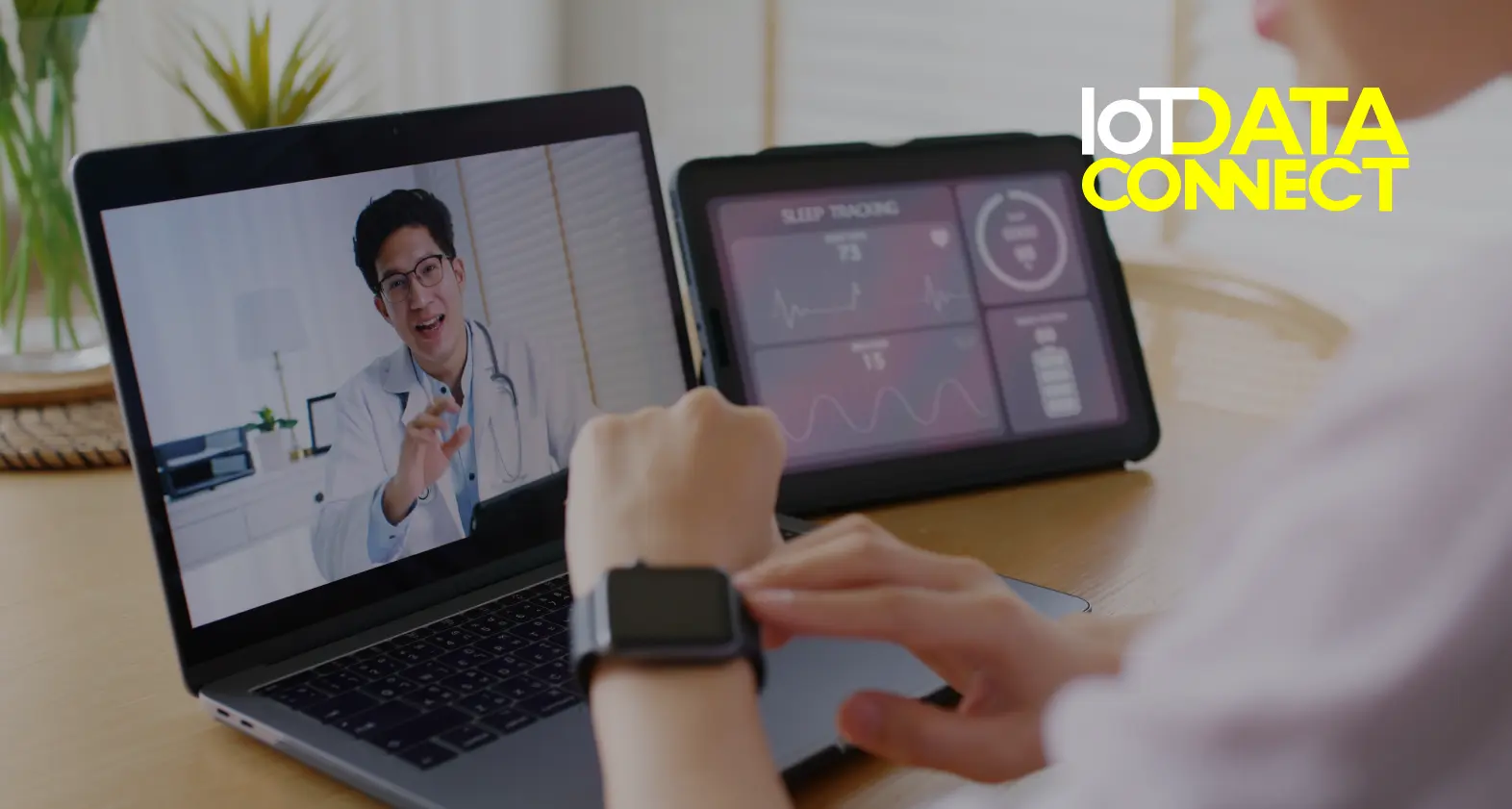
    Healthcare is undergoing a digital transformation, with Remote Patient Monitoring (RPM) becoming one of the fastest-growing applications of IoT technology. From managing chronic conditions to supporting elderly care, connected medical devices are enabling healthcare providers to monitor patients beyond the walls of hospitals and clinics.

    At the heart of every successful RPM deployment is secure, reliable, and resilient IoT connectivity.

    The Challenge

    Healthcare providers need to collect real-time patient data from devices located in homes, care facilities, ambulances, and community settings. These devices often include:

    Blood pressure monitors

    Glucose monitors

    ECG devices

    Pulse oximeters

    Weight scales

    Heart rate monitors

    Wearable health trackers

    The challenge is ensuring every device can securely transmit critical patient data regardless of location or network availability.

    Poor connectivity can result in delayed clinical intervention, missed alerts, and reduced confidence in remote healthcare services.

    The Solution: IoT Data Connect IoT SIM Connectivity

    IoT Data Connect provides managed IoT connectivity specifically designed for mission-critical applications such as healthcare.

    Using our global IoT SIM platform, healthcare organisations can securely connect thousands of monitoring devices through a single managed service.

    Key connectivity features include:

    Multi-network roaming for maximum coverage

    Fixed IP SIM options for secure remote access

    Private APN for isolated and protected communications

    Remote Access WAN for device diagnostics and management

    Centralised SIM management portal

    Real-time usage monitoring and alerts

    UK and global deployment capabilities

    This ensures patient monitoring devices remain connected whenever and wherever they are needed.

    Typical Remote Patient Monitoring Deployment

    A healthcare provider deploys connected blood pressure monitors and pulse oximeters to patients recovering at home after hospital discharge.

    Each device contains an IoT Data Connect IoT SIM that automatically connects to the strongest available mobile network.

    Patient readings are securely transmitted through a Private APN into the healthcare provider’s monitoring platform, where clinicians can review data in real time.

    If a patient’s readings move outside predefined thresholds, healthcare staff receive an immediate alert and can contact the patient or dispatch assistance if required.

    Meanwhile, technical teams can remotely diagnose device connectivity issues using Remote Access WAN without requiring costly home visits.

    Benefits for Healthcare Providers

    Improved Patient Outcomes

    Continuous monitoring allows clinicians to detect deterioration earlier, enabling faster intervention and reducing emergency hospital admissions.

    Reduced Hospital Readmissions

    Patients can recover safely at home while remaining under clinical supervision, helping hospitals free up valuable bed capacity.

    Greater Operational Efficiency

    Automated data collection reduces manual administration and allows healthcare professionals to focus on patient care rather than routine monitoring tasks.

    Lower Operational Costs

    Remote diagnostics minimise engineer call-outs while reducing device maintenance costs across large deployments.

    Secure Healthcare Connectivity

    Patient data is transmitted over secure private mobile infrastructure with options including Fixed IP and Private APN, supporting compliance with healthcare security requirements.

    Why Connectivity Matters

    Medical devices must remain online 24/7.

    Unlike consumer SIM cards, IoT connectivity is engineered for always-on operation, offering:

    Higher network resilience

    Long-term device lifecycle support

    Centralised fleet management

    Predictable data plans

    Enterprise-grade security

    Global scalability

    This gives healthcare providers confidence that critical patient data will be delivered reliably.

    Future of Connected Healthcare

    As healthcare increasingly shifts towards preventative and community-based care, IoT-enabled Remote Patient Monitoring will continue to play a vital role.

    Advances in AI, wearable technology, and connected diagnostics will allow clinicians to gain even deeper insights into patient health while reducing pressure on hospitals and improving patient experiences.

    Reliable connectivity will remain the foundation that enables these innovations.

    Why Choose IoT Data Connect?

    IoT Data Connect supports healthcare organisations, medical device manufacturers, and digital health providers with secure, managed IoT connectivity solutions.

    Our services include:

    Global IoT SIM connectivity

    Private APN

    Fixed IP Data SIMs

    Remote Access WAN

    Multi-network resilience

    Secure device management

    Expert UK-based support

    Whether you’re deploying hundreds or tens of thousands of connected medical devices, we provide the secure connectivity needed to keep your Remote Patient Monitoring solution online, protected, and scalable.

    Ready to Build Your Connected Healthcare Solution?

    If you’re developing or deploying a Remote Patient Monitoring platform, IoT Data Connect can help you deliver secure, reliable, and scalable IoT connectivity.

    Contact our team today to discuss your healthcare IoT project and discover how our connectivity solutions can support better patient care while reducing operational costs.

  • How Mobile Network Technology Has Evolved from 2G to 6G

    How Mobile Network Technology Has Evolved from 2G to 6G

    Mobile connectivity has developed rapidly over the past thirty years. Each generation of mobile network technology, from 2G to modern 5G and the future 6G, has increased bandwidth, improved reliability and enabled new connected services.

    For businesses deploying IoT devices, understanding network generations is important because connectivity capability directly affects device compatibility, performance and lifespan.

    This guide explains the bandwidth, capabilities and real world impact of each mobile network generation and how they relate to IoT and M2M connectivity.

    2G Networks: The Start of Digital Connectivity

    Typical bandwidth: 9.6 kbps to 64 kbps

    2G GSM networks marked the transition from analogue to digital communication. They introduced encrypted voice calls and SMS messaging and supported the earliest machine to machine communication.

    What 2G enabled

    • voice calls and SMS messaging
    • basic packet data through GPRS and EDGE
    • early telemetry and remote monitoring devices
    • first generation M2M deployments

    Why it mattered
    2G created the first global mobile standard and supported many long lifecycle industrial devices such as alarms, meters and tracking systems. Many legacy IoT devices still rely on this technology today.

    3G Networks: The First Mobile Internet

    Typical bandwidth: 384 kbps to 42 Mbps

    3G brought usable internet access to mobile devices. It enabled web browsing, email and early smartphone applications.

    What 3G enabled

    • mobile web browsing
    • mobile email
    • early video calling
    • app based services
    • higher data M2M and IoT applications

    Why it mattered
    3G transformed mobile phones into connected computing devices and accelerated adoption of connected services across industries.

    4G LTE: Broadband Mobile Connectivity

    Typical bandwidth: 10 Mbps to 1 Gbps

    4G LTE introduced high speed, low latency connectivity comparable to fixed broadband. This generation supports many modern connected devices and remains the backbone of global IoT connectivity.

    What 4G enabled

    • HD video streaming
    • cloud applications
    • remote working services
    • telematics and fleet tracking
    • connected CCTV and routers

    Why it mattered
    4G made large scale IoT deployments practical and reliable. Many industrial and commercial IoT solutions operate primarily on LTE networks.

    5G Networks: Massive IoT and Real Time Communication

    Typical bandwidth: 50 Mbps to 10 Gbps

    5G networks are designed not only for higher speed but also for capacity and reliability. They support extremely low latency and a high density of connected devices.

    What 5G enables

    • smart cities and infrastructure
    • autonomous vehicles
    • industrial automation
    • real time monitoring systems
    • large scale IoT deployments

    Why it matters
    5G supports Industry 4.0 applications and mission critical communication where reliability and response time are essential.

    6G: The Future of Wireless Connectivity

    Projected bandwidth: 100 Gbps to 1 Tbps

    6G is expected to emerge around 2030 and aims to combine ultra high bandwidth with artificial intelligence driven networks.

    Expected capabilities

    • holographic communication
    • digital twin environments
    • advanced robotics
    • satellite integrated connectivity
    • AI driven network optimisation

    Why it will matter
    6G will enable continuous machine communication and intelligent automation across global infrastructure.

    Why Bandwidth Matters for IoT Devices

    Network generations do more than increase speed. They determine:

    • device compatibility
    • deployment lifespan
    • power consumption
    • reliability
    • scalability

    Businesses deploying connected equipment should select hardware that supports modern technologies such as LTE-M, NB-IoT, 4G and 5G to ensure long term connectivity.

    The Bigger Picture

    Each generation of mobile connectivity has unlocked new industries:

    2G enabled messaging and early telemetry
    3G enabled smartphones and mobile applications
    4G enabled streaming, cloud services and connected business operations
    5G enables automation and smart infrastructure
    6G will enable intelligent machine communication

    Understanding network capabilities helps organisations future proof their connected devices and avoid service disruption as older networks are retired.